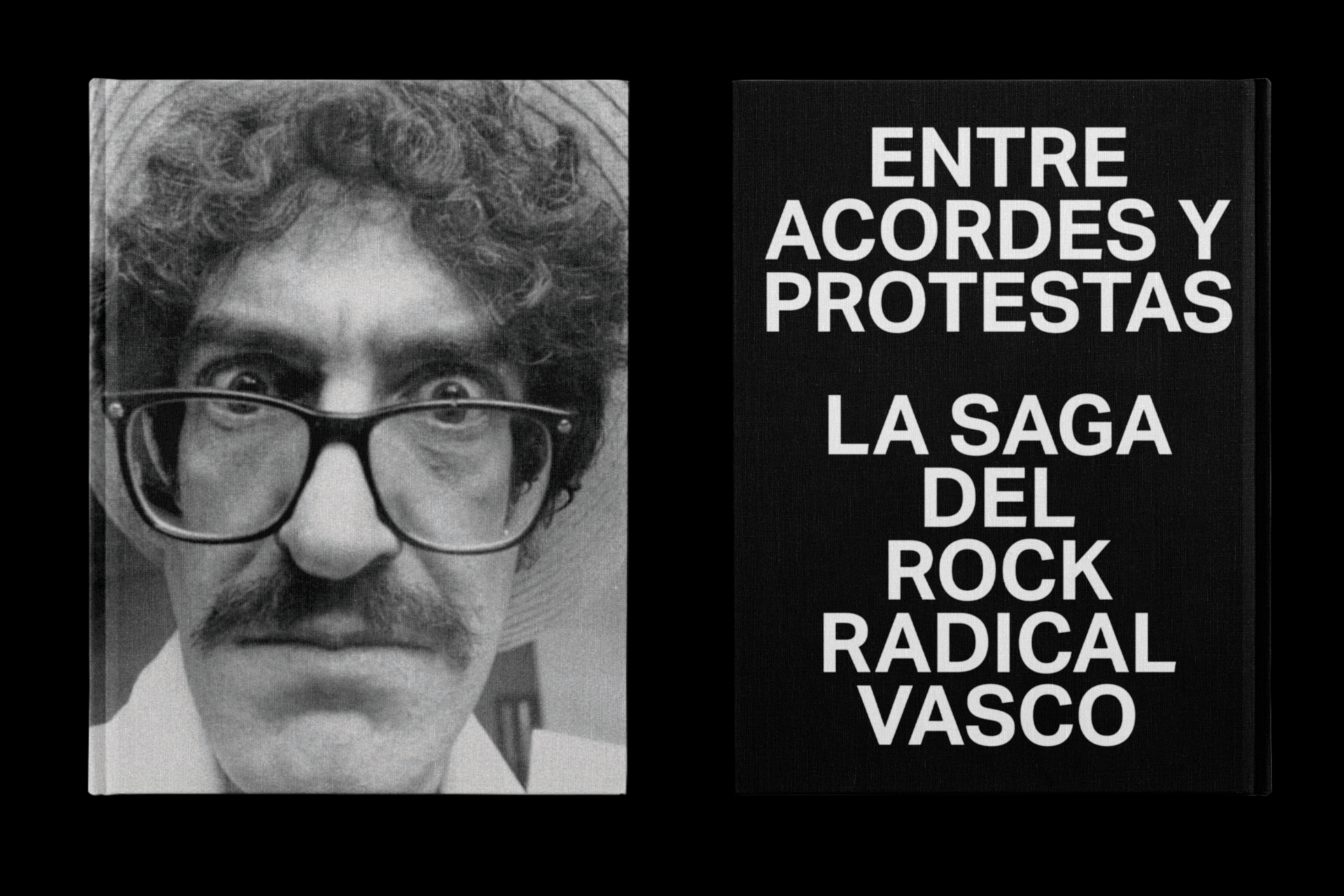
The editorial project involved an in-depth study of an editorial piece, examining both theoretical and practical aspects while analyzing references and researching a specific theme. Four distinct sections were designed, each with its own style, to create a coherent and visually appealing layout for the reader.
The focus was on exploring the impact of the Basque radical rock movement and its connection to drug use, conducting a comprehensive analysis of its social, political, and economic implications during that era. The project aimed to amplify the voices of the movement, highlighting key figures and promoting their visibility to enhance their message and legacy.
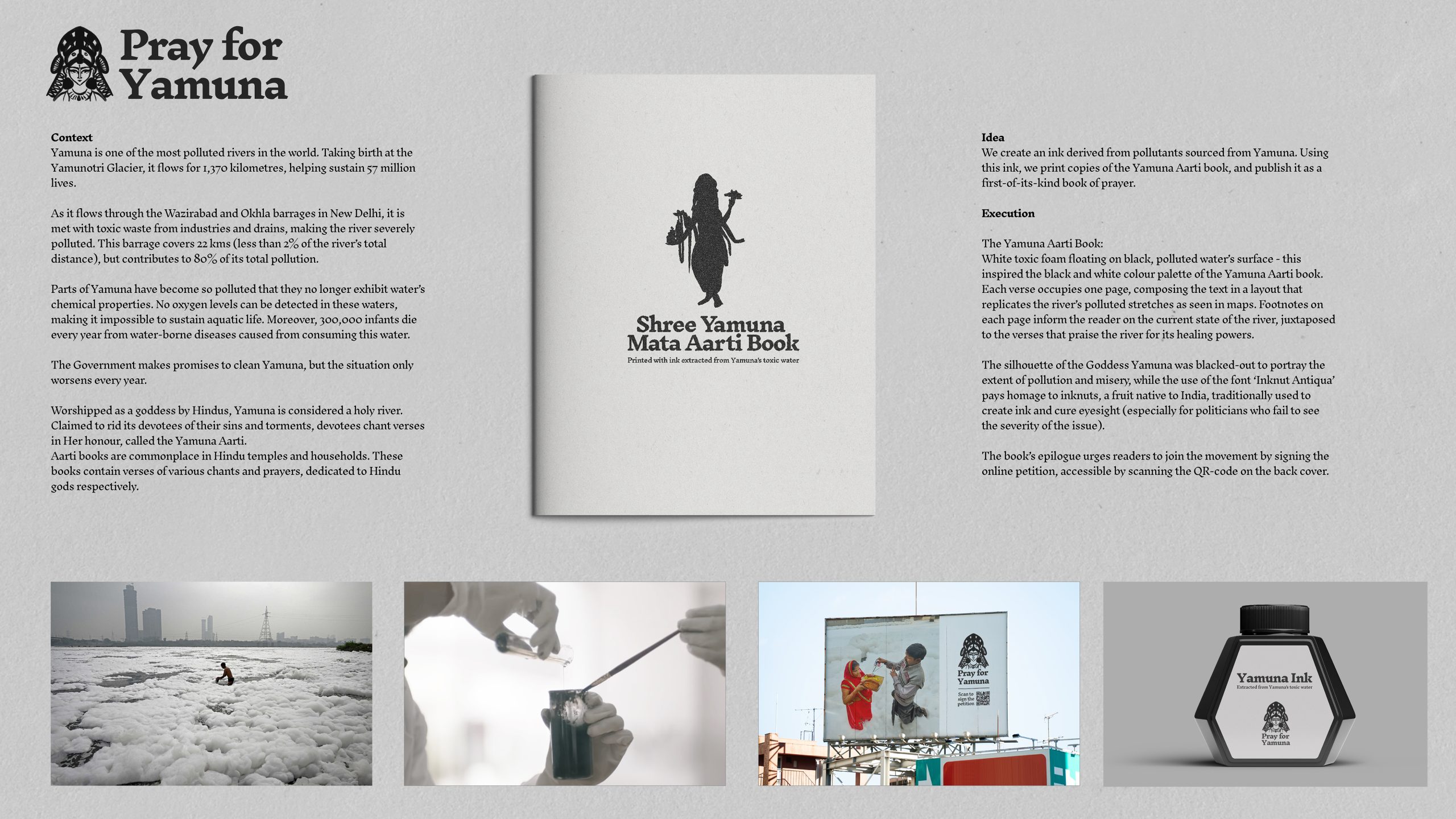
The design was characterized by bold typography, varying font sizes, and reduced margins, resulting in a striking presentation. Photographs from the 1960s were incorporated to enrich the narrative and emphasize the themes, capturing the reader’s attention and showcasing the relevance of the content.
The first section featured a detailed essay exploring the movement’s impact and its relationship with drugs, interwoven with images to create dynamic transitions. The second section presented interviews with key figures, giving voice to their experiences and perspectives. These interviews included illustrations by David Rosel, enhancing the visual appeal and maintaining reader engagement.
The last two sections contained meticulously selected images that complemented the narrative and captured the essence of the 1960s style. Together, these sections provided a comprehensive view of the topic, using a skillful combination of text and visuals to create an engaging layout that highlighted the significance of the Basque radical rock movement and its relationship with drugs. Ultimately, the project sought to amplify the movement’s voices, ensuring their legacy is recognized and celebrated.