Limited hand mobility can have a significant impact on a person’s life. The consequences are as varied as the causes and are often psychological in nature.
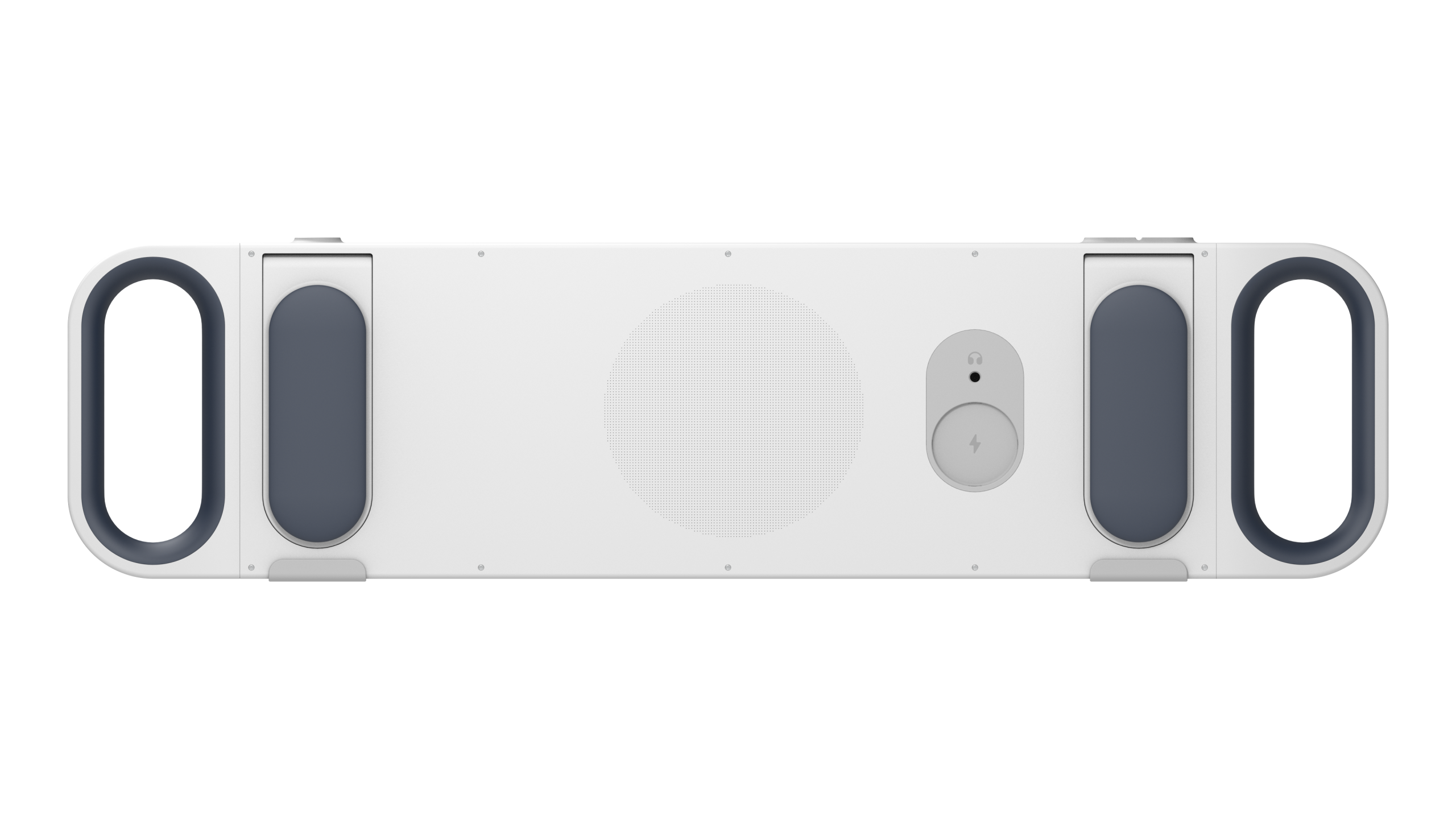
THEA is an occupational therapy tool designed to treat motor and sensory issues in the hands. It is provided to patients as a rental device for home use and stands out due to its extensive adaptability in both hardware and software to meet individual needs. Various input methods enable comprehensive and differentiated therapy.
The integration of musical and playful elements into a wide range of exercises offers motivating variety compared to the often monotonous training sessions and helps in managing the psychological effects.
One of the biggest hurdles in rehabilitation is the frustration patients feel, especially in the early stages, when limited mobility makes exercises difficult and progress slow. THEA addresses this by providing instant, noticeable feedback through its advanced sensors, which detect even the smallest movements. These are translated into haptic, visual, and auditory feedback, allowing patients to see and feel their progress. This immediate reinforcement creates a positive experience and helps patients stay motivated, as they recognize that every movement, no matter how small, has an impact.
Progress is recorded by numerous sensors and automatically forwarded to the treating therapist. This process simplifies therapy, especially in times of staff shortages and overcrowded practices, and provides detailed insights into the patient’s progress.